Transportation & Auto Insurance for Hauling Horses to Race Day
Commercial auto and trailer coverage for racing operations hauling horses and staff to the track — not a personal weekend trailer policy stretched past what it covers.
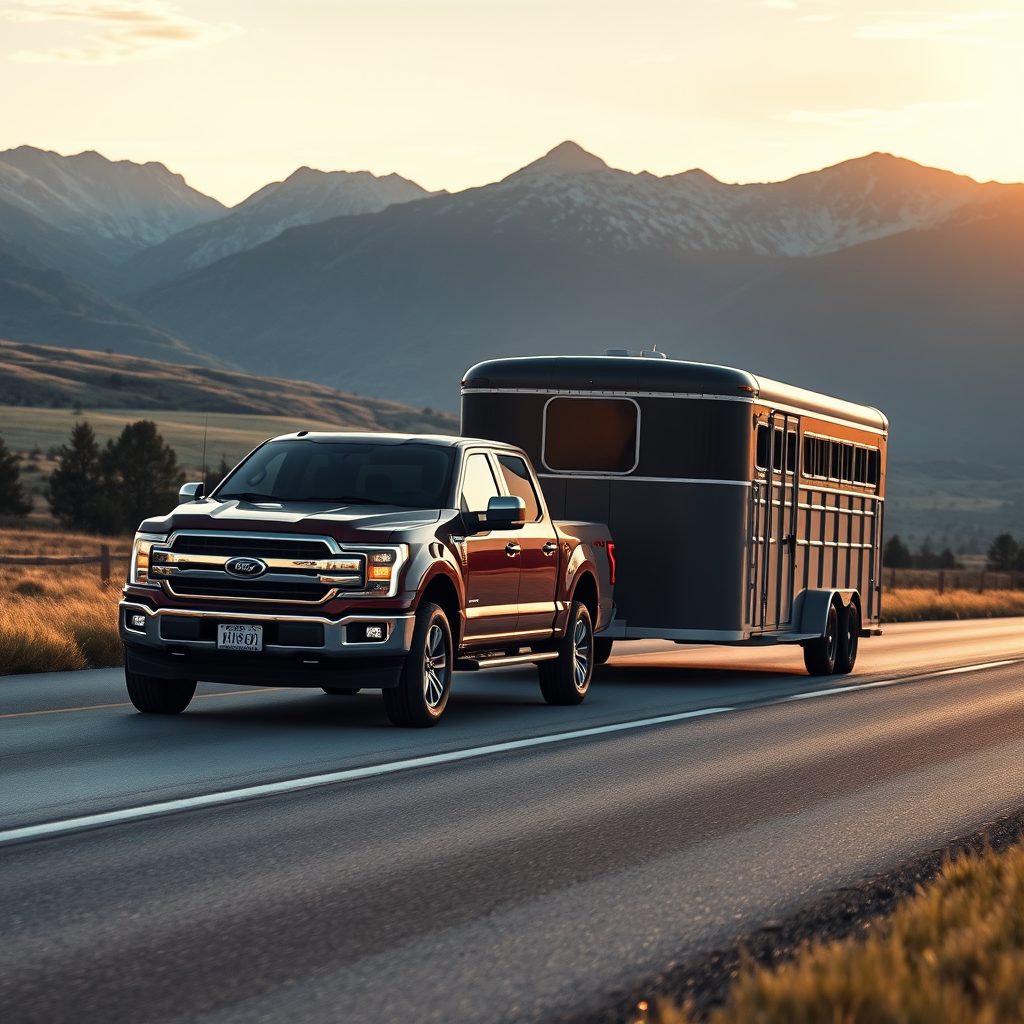
“Getting a horse to the track is its own operation, and it happens on public roads, at highway speed, towing a trailer carrying a live, thousand-pound animal. Search “horse trailer insurance” today and nearly everything that comes back is aimed at a weekend hobbyist hauling one horse to a local show — Progressive, State Farm, and similar personal-auto carriers, priced and underwritten for occasional personal use. That's a real product, and it's the right one for a lot of horse owners. It is not built for a racing operation.
A racing operation hauls differently: more frequently, longer distances, often across state lines, sometimes for compensation, and usually with staff and equipment riding along with the horses. That's a commercial exposure, full stop — and many personal auto policies exclude or sharply limit coverage the moment a vehicle is used commercially or tows livestock for a fee, which is exactly the situation many owners, trainers, and haulers find themselves in without realizing the gap exists until a claim gets denied.
Transportation and auto insurance, as built for this page, is written for that commercial reality: the tow vehicle, the trailer, and the liability that comes with hauling horses and people on the way to races, training, and events — whether it's an owner's own truck and trailer running a regional circuit or a commercial hauling operation moving horses for multiple clients across the country.
- Liability for the tow vehicle on the road
- Physical damage to the tow vehicle
- Trailer physical damage coverage
- Care, custody, and control coverage for horses in transit
- Coverage for commercial hauling operations moving horses for hire
- Roadside and breakdown-related exposure
Commercial vs. Personal Horse Trailer Insurance — What Race Teams Actually Need
This is the single most important distinction on this page, and it's the one the live insurance market gets wrong for racing operations most often. Personal horse trailer insurance is priced and underwritten around occasional, non-commercial use. Commercial horse trailer insurance is a different underwriting category entirely, built around regular hauling, hauling for compensation, or hauling as part of an actual business operation — which describes most racing operations, even small ones, more accurately than personal use does.
The practical problem is that this distinction is invisible until it matters. A personal policy will happily collect premium for years without ever flagging that your actual use pattern has crossed into commercial territory. The exclusion doesn't announce itself; it shows up as a denied claim after an accident, at the exact moment you need the policy to work.
Race teams should treat this as a binary question, not a gray area: if you're hauling for anything other than occasional personal use — regularly, for any compensation, or as part of running a racing operation — you need a commercial policy, not a personal one stretched past what it was built for. This is also one of the clearest, least-contested lanes in the entire insurance market for racing operations: almost no one is writing dedicated commercial coverage for this exact use case.
- Regular hauling to races, not just occasional personal use
- Hauling for any compensation, even occasionally
- Staff, tack, and equipment riding along with the horses
- Running a racing operation, even a small one
Do You Need Extra Insurance to Tow a Horse Trailer?
Yes, in most cases, and the honest answer has two parts. First, most personal auto and even standard commercial auto policies treat towing a trailer as an extension of the tow vehicle's liability, but the trailer itself — its physical damage, and often the cargo inside it — is not automatically covered just because the truck is insured. A trailer generally needs to be scheduled and insured specifically, whether you own it outright or lease it, and skipping that step is one of the more common gaps we see.
Second, and this is the part that surprises a lot of owners: yes, you generally do need to tell your insurer that you tow a trailer, and specifically what you tow. Insurers price auto risk partly based on how a vehicle is actually used, and towing a loaded horse trailer changes stopping distance, handling, and overall risk in ways a policy written without that information doesn't anticipate. Telling your insurer exactly what you haul, how often, and under what circumstances is the difference between a policy that works when you need it and one that becomes a legal argument at the worst possible time.
Can You Insure a Horse Trailer You Don't Own?
Yes, and this comes up more often than people expect — borrowing a friend's trailer for a race weekend, leasing a trailer as part of a hauling business, or a trainer regularly using a trailer owned by an ownership group rather than by the trainer personally. The trailer's own physical-damage coverage is generally tied to whoever owns it, but the liability exposure of towing and operating a trailer — yours or not — generally follows the person actually hauling it.
This is the same principle behind care, custody, and control coverage on the Racer and Equine Insurance pages, applied to equipment instead of an animal: physical possession and operational control create an exposure separate from ownership. If you're regularly hauling a trailer you don't own, or lending yours out to someone else, that arrangement should be addressed explicitly in your policy rather than left as an assumption on either side.
- Borrowing a friend's trailer for a race weekend
- Leasing a trailer as part of a hauling business
- A trainer regularly using a trailer owned by an ownership group
Roadside Assistance for Horse Trailers and Rigs
A breakdown on the way to a race isn't just an inconvenience — it's a live animal sitting in a disabled trailer, potentially on a highway shoulder, for however long it takes to get help. That's a fundamentally different situation than a stranded car, and it's why roadside assistance built specifically around horse trailers and livestock rigs — not generic auto club towing — is worth treating as a real coverage decision, not an afterthought.
Specialized hauling-industry roadside programs exist precisely because a standard tow truck isn't always equipped or positioned to safely handle a disabled rig with a horse still inside. Whether roadside coverage is bundled into your policy or arranged as a companion service, the question worth asking before you're stranded on the highway with a horse in the trailer is simple: who do you call, how fast do they actually come, and are they equipped for a livestock rig specifically.
What It Costs to Insure a Commercial Hauling Operation
How much it costs to put insurance on a trailer doesn't have one number, because a single owner-operator hauling two horses to a regional circuit and a multi-truck commercial operation running horses for clients across state lines are fundamentally different risks — but the same factors drive cost in both cases.
Vehicle and trailer value sets the baseline for physical-damage coverage. Hauling frequency matters directly, because frequency is exposure. The number of horses typically hauled affects both trailer capacity considerations and the value at risk on any given trip. Driving radius is a real factor, since a local circuit is a different risk than multi-state hauling. Whether you're hauling for-hire versus only your own horses changes the underwriting meaningfully. And driver history factors in the same way it does for any commercial auto risk.
Who needs this coverage
- Owners and trainers who haul their own horses
- Commercial horse-transport operators
- Stables running a regular circuit of tracks
- Anyone towing a trailer for compensation, even occasionally
- Racing teams transporting staff and equipment along with horses
- Operations using a truck and trailer that a personal auto policy won't cover commercially
What drives your cost
Quote transportation insurance
A few details is all we need to start. A specialist will build a program specific to transportation insurance — no generic one-size quote.
Prefer to talk?844-967-5247Transportation Insurance questions, answered
Often not fully — many personal auto policies exclude or limit coverage once a vehicle tows livestock commercially or for any compensation. It's worth confirming before you're relying on it after an incident. We can review your situation and structure the right commercial coverage.
Transportation insurance covers the tow vehicle, the trailer, and typically a care-custody-control exposure for horses in transit. We coordinate this with the horse's own equine mortality policy so there's no gap between “the truck's insurance” and “the horse's insurance.”
Yes — hauling for any compensation, even occasionally, generally takes you outside personal auto coverage and into commercial territory. Call 844-967-5247 and we'll make sure you're actually covered, not just assuming you are.
Yes — the liability exposure of hauling a trailer generally follows whoever's actually operating it, not just whoever owns it. If you regularly borrow, lease, or use a trailer that isn't titled to you, that arrangement should be addressed explicitly in your policy rather than left to assumption.
Yes, and specifically what you tow and how often. Towing a loaded horse trailer changes a vehicle's handling and risk profile, and a policy written without that information may not respond the way you expect when you actually need it. Full disclosure up front is what makes the coverage reliable later.
Roadside assistance for horse trailers and livestock rigs is a real, separate consideration from standard auto club towing, since a disabled rig with a horse inside needs a different response than a stranded car. We help race teams line up the right roadside arrangement alongside their liability and physical-damage coverage.
Yes, we place coverage for commercial horse-transport operations running multi-state circuits, including cargo coverage for the horses themselves and liability limits sized to a real hauling business. Call 844-967-5247 to talk through your fleet and routes.
Related coverages


Placing transportation insurance through a racing specialist
Transportation Insurance rarely sits in isolation — it works alongside the rest of your racing program, and getting the coordination right is where a specialist matters. As a Contractors Choice Agency program focused entirely on racing, we structure your transportation insurance so it lines up cleanly with any other coverage line you carry — no overlapping premium you pay twice for, and no gap where a loss could fall between policies.
We shop your risk to A-rated carriers that genuinely understand racing, present your operation in the best possible light to earn better pricing, and stay in your corner at renewal and at claim time. Whether you're insuring a single horse or a full facility, in any of the 50 states, we'll right-size this coverage to how you actually operate rather than handing you a generic quote.
Tell us the details
A few specifics on your side of race day — by form or a quick call.
We build the program
We structure transportation insurance and any other lines you need with the right carriers.
Bind and get certs
Review, bind, and receive the certificates a venue, sanctioning body, or lender requires.
Ready to quote transportation insurance?
Tell us which side of race day you're insuring and we'll build a program that fits — often with same-day turnaround.